
AI literacy for businesses: how prepared is your team?
AI is ubiquitous in businesses: from marketing and customer service to HR and product development. But using AI goes beyond simply deploying tools. It's about understanding what AI can and cannot do, knowing the risks and ethical considerations involved, and using AI in a smart and responsible way. This is what we call […]
Developing AI strategy for businesses: this is how to deploy artificial intelligence smartly
Every organisation is talking about AI, but few have a clear strategy. Maybe you already use tools like ChatGPT or Copilot, but wonder: how do you use this within the company?
How AI can support workers rather than replace them
Many people worry: “Is AI going to take over my job?” This is understandable. After all, new technology is always changing how we work. But in reality, AI is not there to replace humans. Instead, it is there to make your job easier and smarter.
Training AI: everything you need to know
Are you curious to know exactly what an AI course entails and why it is so important in this day and age? Are you unsure which AI course is right for you? Find out how an artificial intelligence course can help you move forward, what you will learn and how Metalab will prepare your company for the AI world.
What is the EU AI Act and are you ready for it?
What is the EU AI Act and what does it mean for companies working with Copilot or ChatGPT. Learn why AI literacy has been mandatory since 2025, what new rules will follow in 2026.
ChatGPT saves everything! Even what you thought you deleted.
OpenAI has been permanently storing all ChatGPT conversations since June 2025, except for Enterprise and Education. This clashes with GDPR and forces companies and individuals to be critical.
What is AI and how does it work? A simple explanation for beginners
Artificial Intelligence (AI) is one of the most transformative technologies of our time. But what exactly is it and how does it work?
Lost rationality: human evolution and artificial intelligence.
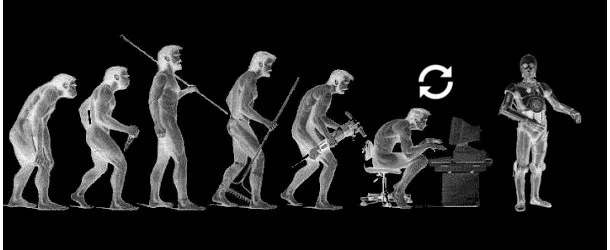
The article compares current political and societal tensions – such as misinformation, polarisation and elections in major democracies – with the French Revolution, where the manipulation of information and emotional appeals led to great excesses. Despite technological advancements, human limitations such as irrational thinking and confirmation bias persist.
Philosopher Byung-Chul Han argues that AI, thanks to its ability to neutrally analyse vast amounts of data, can reduce human biases and make decision-making more rational. This could limit corruption, increase transparency, and support policies that benefit the majority.
What I have learned after teaching nearly 100 hours of AI workshops
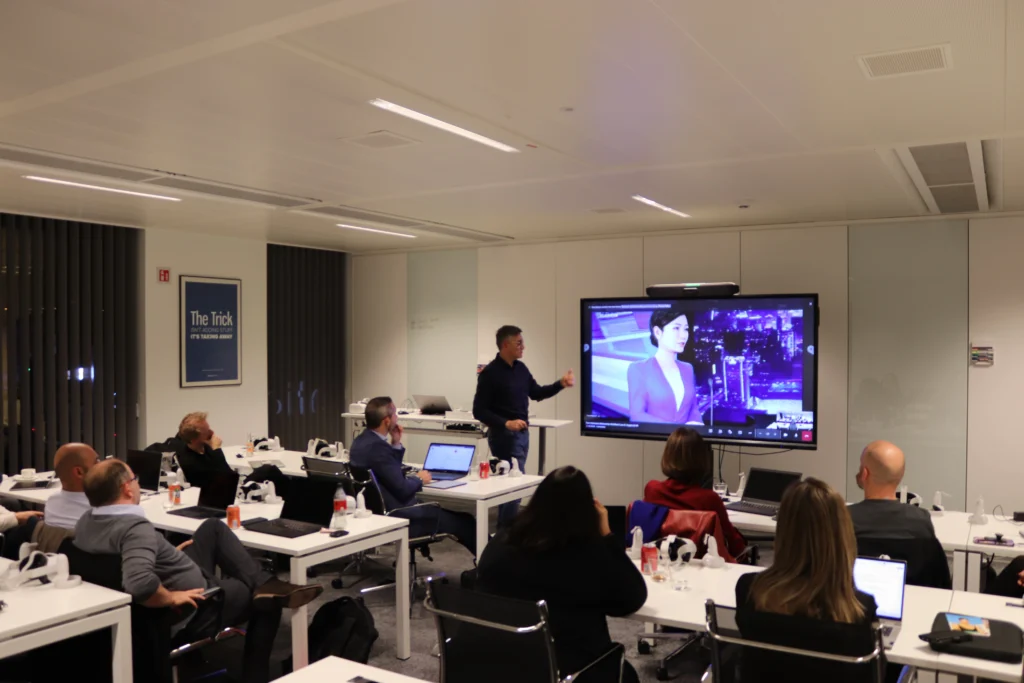
After 100 hours of AI workshops, the author concludes that the gap in AI knowledge between different age groups and backgrounds is large and rapidly growing. Most people have little awareness of what AI can already do today, while developments are progressing at lightning speed. Education is crucial, according to him: not only for young people, but also for adults, businesses, organisations, and the elderly.
Its mission is to make complex AI concepts accessible, thereby narrowing the digital divide. This requires a collective effort, so that AI does not just become a source of inequality, but rather a force that helps everyone progress. The key to this is an open learning attitude, flexibility, and a willingness to actively engage with AI.
How companies can implement Generative AI, a roadmap.
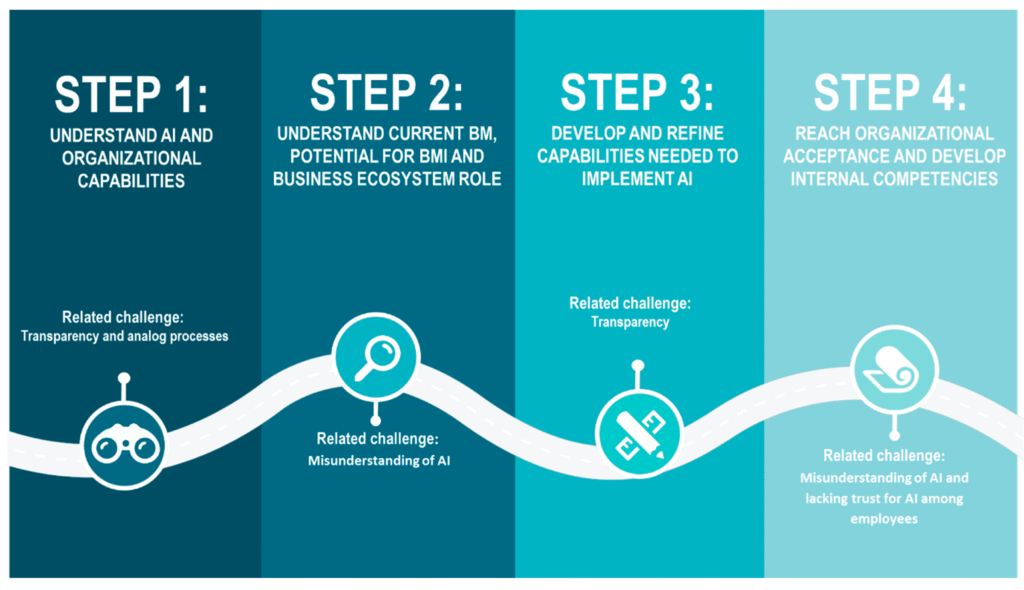
Learn how to implement AI in your SME with this roadmap. Discover the benefits, challenges and practical tips.
